
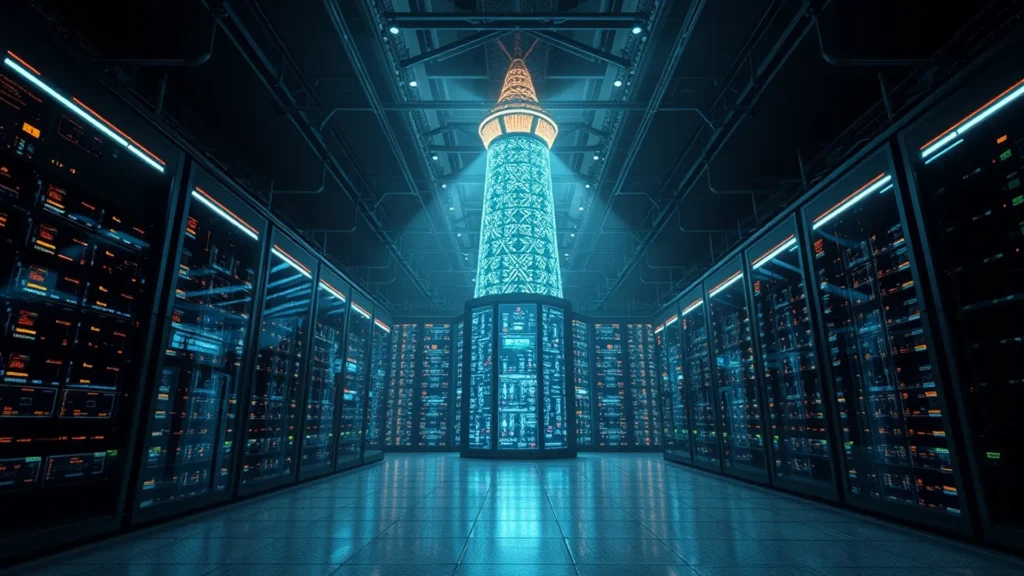
What is Bare Metal Hosting?
If you’ve ever looked into hosting options, you’ve probably come across the term bare metal hosting. Think of it as renting a complete physical server just for yourself. Unlike shared hosting, where multiple sites share server resources, or virtual private servers (VPS), which are slices of a larger machine, bare metal means having a dedicated server that’s all yours. It provides raw power, better security, and full control over hardware—perfect for demanding applications.
Bare Metal vs VPS vs Cloud: The Main Differences
This is where things become interesting. VPS hosting and cloud hosting are popular because they’re flexible and often cheaper. But they have their limitations. VPS shares resources among users, which can sometimes cause performance issues—also called the noisy neighbor effect. Cloud hosting can scale easily, yet often at a higher price, and with less direct hardware control.
In contrast, bare metal hosting provides a dedicated physical server. No neighbors, no noisy ones—just pure, predictable power. For steady performance needs—such as high-performance computing or handling large databases—bare metal is usually preferred. However, it can be more costly than VPS and less flexible when rapid scaling is needed.
Key Benefits of Bare Metal Servers
- Performance: No sharing, full hardware resources—think blazing-fast speeds.
- Security and Compliance: Physical separation reduces risks and helps meet strict regulations.
- Customization: You can choose and set up hardware to match your exact needs.
- Reliability: Less chance of resource conflicts or noisy neighbors affecting your site.
But it’s not just about raw power. For organizations with specific security or compliance needs—like healthcare or finance—bare metal hosting can be incredibly useful. And for companies working with large data sets or rendering tasks, it may be a more cost-effective solution in the long run.
Best Use Cases for Bare Metal Hosting
So, when should you consider bare metal? Here are some typical scenarios:
- High-performance computing and data analysis
- Hosting mission-critical apps
- Running large databases or enterprise resource planning (ERP) systems
- Applications needing hardware separation for security
- Custom hardware setups for specialized workloads
It’s a solid choice for companies that prioritize stability, security and consistent performance over quick scaling. For startups or projects requiring fast deployment and flexibility, cloud or VPS might suit better. But when heavy-duty tasks are involved, bare metal often turns out to be the smarter pick.
Pricing and Providers
When it comes to costs, bare metal servers usually cost more upfront compared to VPS and cloud options. You’re paying for exclusive hardware, which involves a larger initial investment but can reduce ongoing costs for demanding workloads. Many providers offer flexible leasing plans, some including management services—so hardware maintenance is often taken care of.
If you’re exploring your options for bare metal hosting, it’s wise to check out affordable hosting providers that support custom setups and help when needed. Also, consider how fast servers are set up—some providers can deliver a ready-to-go machine within hours, while others might take days.
Conclusion: Is Bare Metal Hosting Right for You?
If your business needs maximum performance, security, and hardware control, then bare metal hosting might be the best fit. It’s ideal for resource-heavy applications, compliance-focused environments, and situations where steady, predictable performance is essential. But if you’re just starting out or need quick scaling at a lower cost, cloud or VPS could be better options.
Choosing the right hosting depends on your specific needs and budget. If you’re unsure, talking to a provider that offers flexible solutions and expert advice can be very helpful.
Frequently Asked Questions
What is bare metal hosting?
It’s a hosting setup where you rent an entire dedicated physical server, giving you full control over hardware and resources, without sharing with others.
What are the advantages of bare metal servers over VPS?
Bare metal provides better performance, security, and hardware customization because resources aren’t shared with other users.
How does bare metal hosting compare to cloud hosting?
Bare metal offers dedicated hardware, leading to greater stability and security, while cloud hosting provides more flexibility and scalability, but can be more expensive and offers less direct hardware control.
What are the best use cases for bare metal servers?
Heavy computational jobs, applications with strict security needs, large databases, and enterprise workloads are well-suited for bare metal hosting.
Is bare metal hosting more expensive than VPS?
In most cases, yes. The dedicated hardware costs more at the start but can be more cost-effective over time for intensive tasks.
What is the noisy neighbor effect in hosting?
It happens when other users on the same server consume too many resources, slowing down your site or app. Bare metal hosting effectively removes this problem.


