
LAMP Stack Hosting: The Ultimate Guide for 2024
Discover what LAMP stack hosting is, how it works, benefits, setup tips, and top providers to power your.

1 min read
- Author
- Published
- Reading time
- 1 min
What is LAMP Stack?
If you're exploring options to build a website or web application, you might have come across the term LAMP stack. But what exactly is it? Think of LAMP as a versatile, open-source set of tools that combine four essential elements—Linux, Apache, MySQL, and PHP—to ensure your site runs smoothly. It’s like an efficient system that manages everything from data storage to delivering your pages to visitors.
LAMP Components Explained
Let's take a closer look at each component:
- Linux: The operating system known for its stability and security.
- Apache: The web server responsible for serving your website content.
- MySQL: The database system where your data, user information, and content are stored.
- PHP: The scripting language that makes your website dynamic and interactive.
These parts work together seamlessly, which is why LAMP remains popular among developers and businesses alike.
How Does LAMP Stack Work?
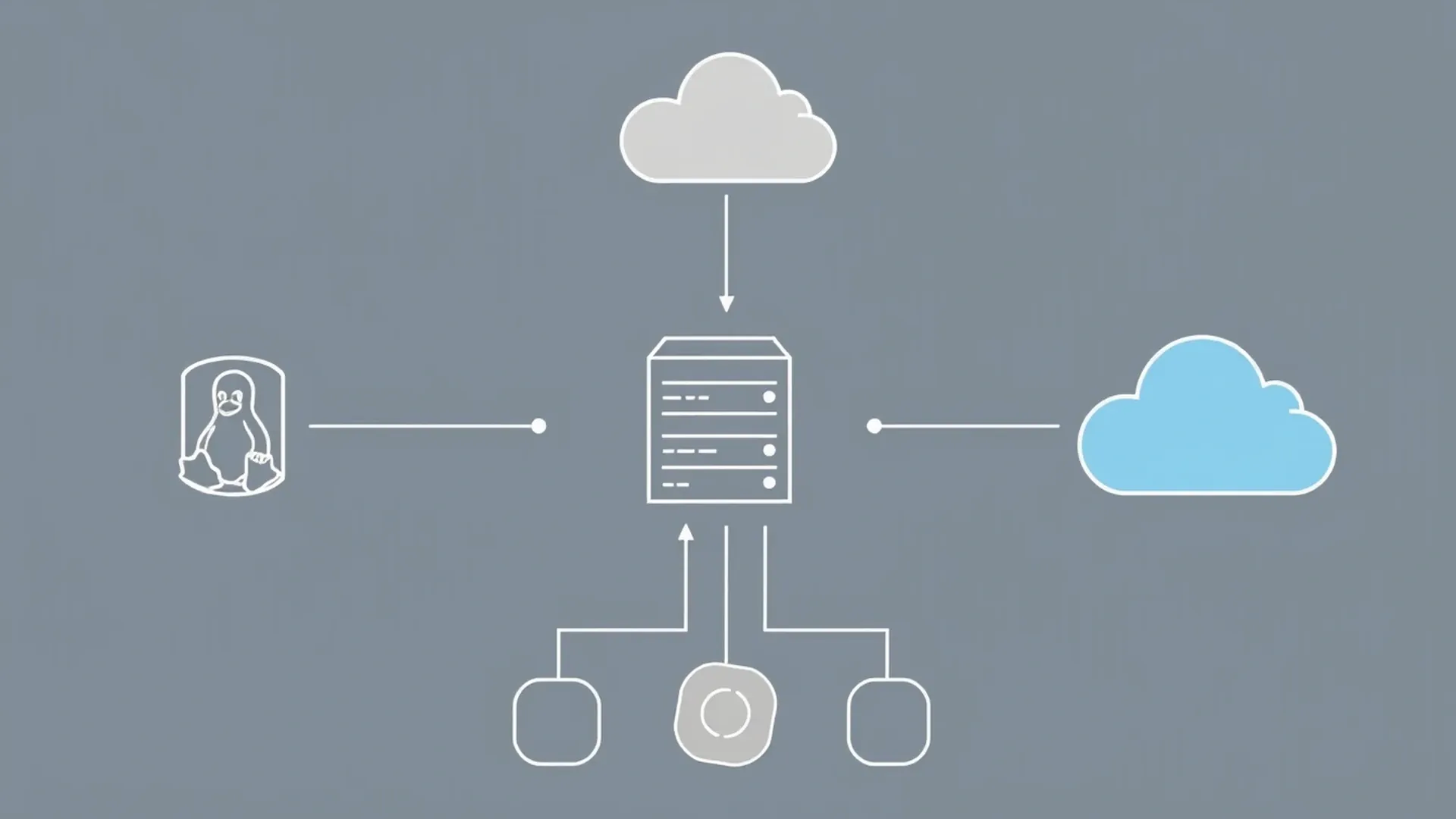
Here's how it functions: When a visitor accesses your website, their browser sends a request to the server. Apache receives this request, then PHP processes any scripts or data, retrieving information from MySQL if necessary. The server then sends back the completed webpage. It’s similar to a busy kitchen where each ingredient has its role—together, they prepare and serve your website.
Benefits of LAMP Hosting
Opting for LAMP hosting offers several advantages:
- Cost-effective: All components are open source, meaning no costly licenses are needed.
- Flexible & Customizable: You can modify each part to suit your specific requirements.
- Stable & Reliable: Linux and Apache have been proven for high uptime and dependability.
- Large Community Support: A wealth of tutorials, forums, and resources are available to assist you.
This makes LAMP suitable for anything from basic blogs to complex web applications.
LAMP vs Alternatives
Of course, LAMP isn't the only option out there. Alternatives like LEMP (which swaps out Apache for Nginx) or stacks based on Docker provide different benefits. But the straightforward setup and extensive community support make LAMP especially appealing for beginners and traditional hosting setups. If you're aiming to run WordPress or similar content management systems, LAMP remains a solid choice.
Best LAMP Hosting Providers
When choosing a hosting provider for LAMP, look for those that offer quick server setup, robust security features, and dependable uptime. Many providers support one-click installation options for deploying a LAMP stack, especially on VPS plans. For small businesses or developers, an affordable plan often covers most needs, while larger projects might benefit from dedicated or cloud server options.
Thinking about setting up your own server? Explore beginner-friendly hosting packages that include guided LAMP installations. And if you're weighing other technology stacks, understanding the differences between LAMP and LEMP can help you choose the best fit for your project.
FAQ: Your Common Questions about LAMP Stack
- What does LAMP stand for? It stands for Linux, Apache, MySQL, and PHP.
- How does a LAMP stack work? It manages requests from visitors, processes scripts, retrieves data, and delivers webpages—like a busy kitchen working behind the scenes.
- What are the components of a LAMP stack? Linux OS, Apache web server, MySQL database, and PHP scripting language.
- What is LAMP stack used for? Creating websites, web applications, and hosting platforms such as WordPress.
- What are LAMP stack alternatives? Options like LEMP (with Nginx), Docker-based stacks, or cloud-native solutions.
- How to install LAMP stack on Ubuntu? Many tutorials online guide you through the process step-by-step, ideal for Linux beginners.
- Is LAMP stack still relevant in 2026? Certainly. It remains a robust option for many developers and organizations.
- What is the difference between LAMP and LEMP? LEMP replaces Apache with Nginx, which can offer improved performance in some scenarios.
If you're looking to host your website, LAMP provides a flexible, budget-friendly solution that scales effectively. Whether you're a developer or a company owner, understanding its core elements can help you make more informed hosting choices.



Discussion